
November 19, 2026
VIP Event Logistics That Keep Every Arrival On Time
VIP event logistics require more than a luxury vehicle. Learn how precise timing, fleet planning, and trained chauffeurs protect every guest experience.
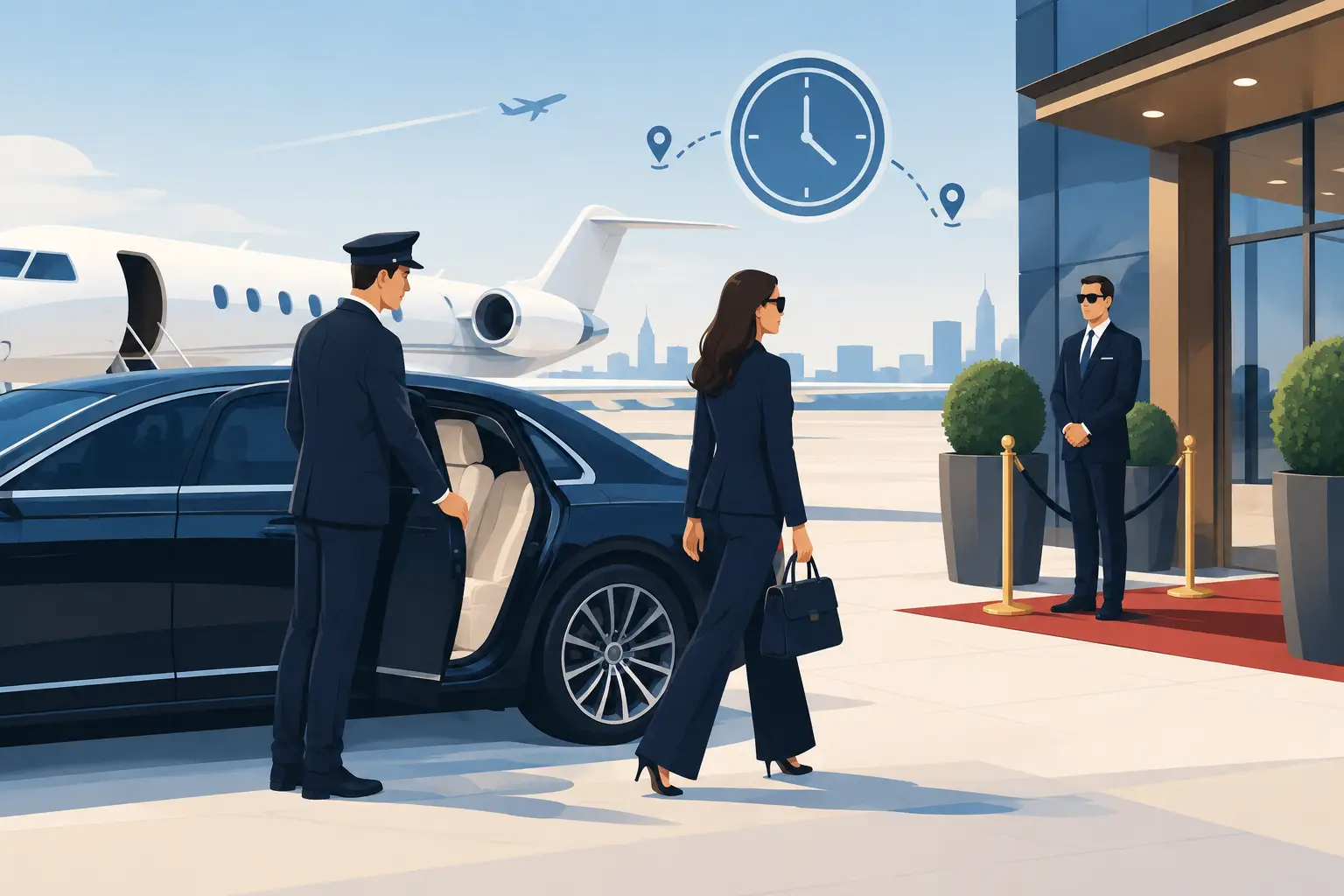
A high-profile guest should never be left looking for a car at the curb, waiting through a crowded valet line, or learning that their vehicle is stuck in traffic. VIP event logistics are the quiet system behind a polished arrival: the right vehicle, positioned at the right access point, with a professional chauffeur who knows exactly who is riding, where they are going, and what must happen next.
For an executive dinner in Beverly Hills, a gala in Downtown LA, a private production event, or a wedding with a tightly timed ceremony, transportation is not a final detail. It affects security, guest comfort, event pacing, and the host's reputation. The best plans account for real conditions in Los Angeles, including airport delays, venue restrictions, congestion, road closures, and last-minute schedule changes.
What VIP Event Logistics Actually Covers
Luxury transportation is part of VIP event logistics, but it is not the entire assignment. A premium sedan or SUV only performs well when it is supported by accurate itineraries, communication protocols, dispatch oversight, and contingency planning.
At a minimum, an event transportation plan establishes who is traveling, the order of movement, designated pickup and drop-off locations, vehicle assignments, and on-site contacts. It also identifies the moments that cannot slip. That may be a keynote speaker arriving before doors open, a wedding party reaching the venue before photography begins, or a visiting executive departing for LAX immediately after a board dinner.
The right level of planning depends on the event. A private dinner for six may require two discreet executive SUVs and a simple departure window. A fundraiser with sponsors, speakers, and a host committee may require a staged fleet, chauffeur holding instructions, and a dispatcher coordinating arrivals throughout the evening. More vehicles do not automatically mean better service. The objective is controlled movement, not unnecessary complexity.
Start With the Guest Experience, Then Build the Route
The strongest transportation plans begin with the guest's actual experience rather than a vehicle count. Ask where each person is arriving from, whether they know Los Angeles, how much privacy they require, and whether their schedule is fixed or flexible.
An arriving guest flying into LAX needs a different plan from a local executive leaving Century City after a late meeting. Airport arrivals call for flight monitoring, a clear pickup procedure, and a realistic buffer for terminal conditions. For a local pickup, the priority may be a chauffeur who can arrive early, wait professionally, and make the transition from office to venue feel effortless.
Venue access deserves the same attention. Many event spaces have narrow driveways, limited curb space, security checkpoints, or specific instructions for commercial vehicles. A Sprinter van may be ideal for moving a wedding party or production team, but it needs enough room to enter, load, and depart safely. An executive sedan may better suit a principal guest at a hotel entrance where discretion and quick curbside movement matter most.
Build routes around the event schedule, but avoid treating estimated drive time as a guarantee. Los Angeles traffic shifts quickly around sporting events, premieres, construction, and weather. A thoughtful plan builds in appropriate lead time, especially for a guest whose presence starts a program or whose late arrival could hold up the room.
Match the Fleet to the Role of Each Ride
Vehicle selection should reflect party size, luggage, image, and time spent in the vehicle. Executive sedans are well suited to solo travelers and couples who value a refined, low-profile arrival. Large SUVs provide more space for principals traveling with assistants, security personnel, or additional luggage. Sprinter vans help keep groups together and reduce the risk of scattered arrivals.
It is tempting to assign the largest vehicle to every VIP, but that can create problems at venues with constrained access. Conversely, using a smaller vehicle to save space can leave guests cramped or force separate trips. A transportation provider should recommend a practical mix after reviewing the venue and itinerary, not simply offer a generic fleet list.
Vehicle presentation also matters. For formal events, an immaculate interior, a clean exterior, climate control, and room for personal belongings support the standard guests expect. These details are particularly visible when a guest has just stepped off a flight or is arriving in formal attire.
Build a Run of Show That Chauffeurs Can Use
An event schedule is often designed for planners and hosts. A chauffeur run of show must turn that schedule into operating instructions. It should be concise, current, and specific enough to prevent avoidable calls at the curb.
Each assignment should include the guest name or group, pickup address, pickup time, destination, vehicle type, primary contact, and post-event instructions. For sensitive events, use the appropriate level of privacy in passenger identification and communication. The chauffeur needs the information required to deliver the ride correctly, not unnecessary personal details.
Clear instructions are especially valuable when plans change. If a speaker finishes early, a dinner runs long, or a guest wants to leave from a different entrance, the transportation team needs one authorized point of contact who can make the call. Too many people giving directions creates confusion, duplicate vehicles, and missed pickups.
For events with multiple rides, set a communication cadence before service begins. Confirm vehicle staging, guest boarding, and completed drop-offs with the event lead or designated coordinator. The goal is not to overwhelm the host with updates. It is to make sure any exception is surfaced early enough to be solved.
Plan for Discretion, Security, and the Unplanned
VIP transportation often requires a higher standard of discretion than ordinary event travel. Professional chauffeurs should understand that conversation stays in the vehicle, guest information is handled carefully, and a calm presence is part of the service. For executives, public figures, legal teams, and private families, this is not an optional courtesy.
Security requirements vary widely. Some events only need controlled access to a hotel entrance. Others may involve security teams, restricted entrances, credential checks, or approved vehicle staging areas. Transportation must fit into that plan rather than compete with it. Share the relevant arrival protocols in advance, including who can authorize a vehicle movement and where chauffeurs should wait if they cannot remain curbside.
Contingencies should be realistic, not theatrical. A backup approach can include alternate pickup points, a reserve vehicle for a complex program, flexible chauffeur coverage, and enough time between assignments to absorb minor delays. For airport service, real-time flight tracking and a defined wait policy reduce uncertainty when travelers land late or take longer to reach the pickup location.
A contingency plan does not mean every vehicle sits idle all night. It means the transportation provider and event team have already agreed on how to respond when the expected schedule stops being the actual schedule.
Why Fixed Pricing Helps Event Hosts Stay in Control
Event budgets are difficult to manage when core transportation costs shift without warning. Rideshare pricing can surge just as guests begin to depart, and availability can be inconsistent during major events or peak airport periods. That uncertainty is particularly unhelpful when an executive assistant or event planner is coordinating several passengers at once.
Fixed-price transportation gives hosts a clearer view of expected costs before service begins. For corporate programs, centralized billing and consolidated reporting can also simplify reconciliation after the event. The operational benefit is just as valuable as the financial one: planners can focus on the event rather than chase individual receipts or explain changing fare totals.
Hourly reservations are often the better choice for itineraries with multiple stops, uncertain release times, or a principal guest who may need to leave quickly. Point-to-point service can be more efficient for defined transfers with a single pickup and destination. The right option depends on how much schedule flexibility the event requires.
Choose a Transportation Partner, Not Just a Car Service
A vehicle can be booked in minutes. Dependable VIP event transportation requires a provider that can ask the right questions before the event and remain accountable while it is happening. Look for California-licensed, background-checked chauffeurs, maintained luxury vehicles, 24/7 dispatch support, and experience coordinating airport, corporate, and special-event movements.
For Southern California events, iRide360 pairs executive sedans, large SUVs, and Sprinter vans with professional chauffeurs and operational support built around precise schedules. Whether guests are arriving from LAX, moving between meetings and a gala, or leaving a wedding reception in scheduled waves, the standard should remain consistent: professional, prepared, and calm under pressure.
The best VIP transportation is rarely the most noticeable part of an event. Guests simply arrive composed, leave on time, and remember that every detail felt considered. That is the outcome worth planning for.